The difference between a thriving business and one that struggles to meet revenue targets often comes down to one critical factor: the quality of your sales team. While many companies focus on perfecting their products or services, they overlook the fundamental truth that even the best offerings won’t sell themselves. In today’s competitive marketplace, knowing how to hire sales reps who can consistently close deals and drive revenue growth has become the ultimate competitive advantage.
Table of Contents
Key Takeaways
- Define clear success metrics before you start recruiting to attract results-driven candidates
- Focus on behavioral interviewing and role-playing scenarios to assess real selling ability
- Look for coachability over experience – attitude and learning ability often trump years in the field
- Implement a structured onboarding process to set new hires up for immediate success
- Use data-driven hiring decisions by tracking performance indicators from day one
Why Most Companies Struggle to Hire Sales Reps Effectively
The statistics paint a sobering picture: 67% of sales reps fail to meet their quotas, and the average sales rep turnover rate hovers around 35% annually. These numbers reveal a fundamental disconnect between what companies think they need in a salesperson and what actually drives sales success.
Traditional hiring approaches often focus on surface-level qualifications like years of experience or industry knowledge. However, research consistently shows that top-performing sales reps share specific behavioral traits and mindsets that have little to do with their resume credentials.
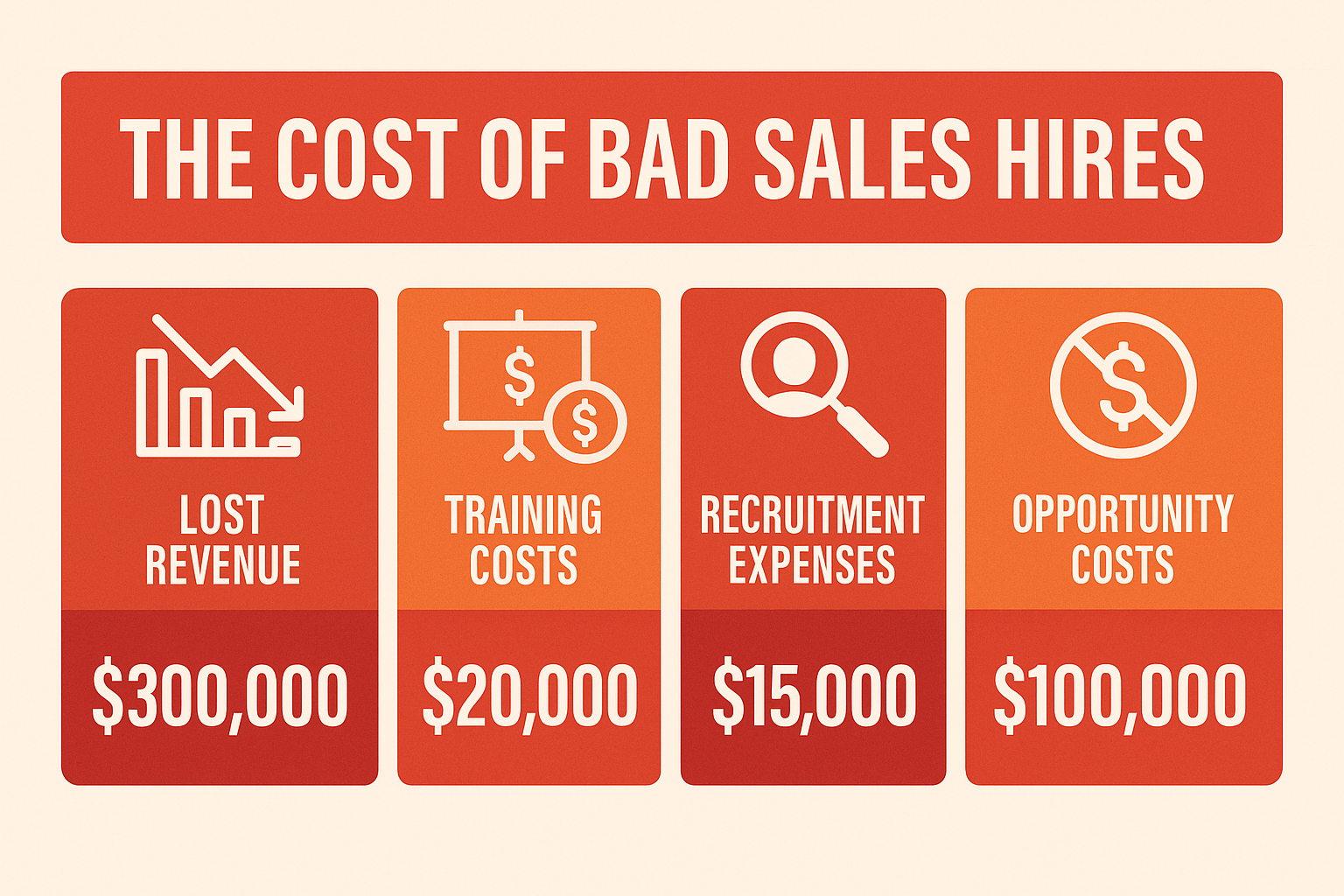
The Hidden Costs of Bad Sales Hires
When you hire sales reps who don’t deliver, the financial impact extends far beyond their base salary:
- Lost revenue opportunities during their employment period
- Recruitment and training costs that must be repeated
- Damage to customer relationships from poor interactions
- Team morale issues when underperformers drag down overall results
- Opportunity costs from positions that remain unfilled longer
The total cost of a bad sales hire can easily reach $240,000 or more when factoring in salary, benefits, training, and lost opportunities.
Understanding What Makes Sales Reps Successful
Before diving into the hiring process, it’s crucial to understand the fundamental characteristics that separate high performers from average sales reps. Modern sales success isn’t about smooth talking or aggressive closing techniques—it’s about building genuine relationships and solving customer problems.
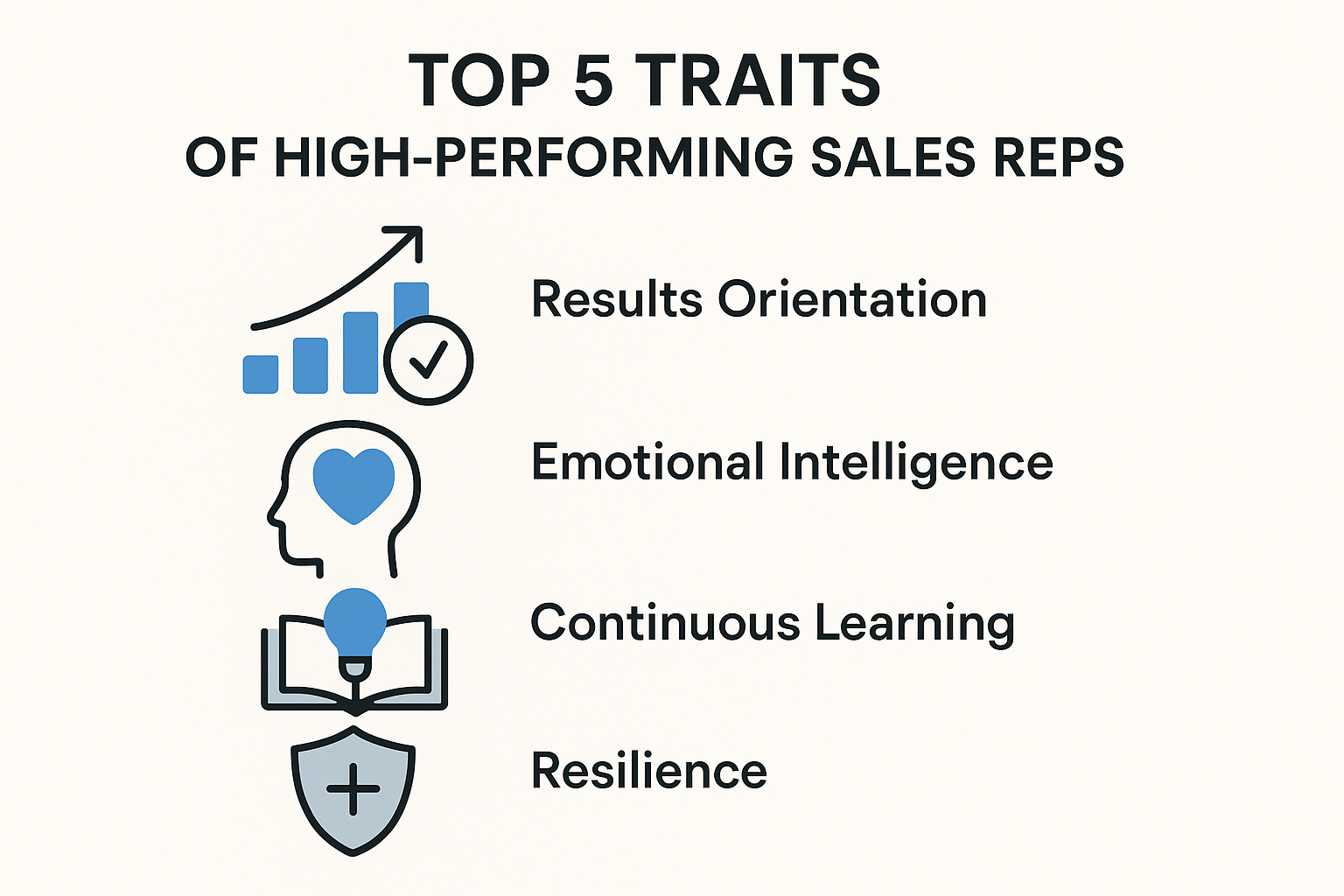
Core Traits of High-Performing Sales Reps
🎯 Results Orientation
Top sales reps are obsessed with outcomes, not activities. They focus on metrics that matter and consistently find ways to exceed targets.
🧠 Emotional Intelligence
The ability to read customers, adapt communication styles, and build rapport is more valuable than product knowledge.
📚 Continuous Learning Mindset
Markets change rapidly, and successful reps stay ahead by constantly improving their skills and knowledge.
💪 Resilience and Persistence
Sales involves rejection, and top performers bounce back quickly while learning from each “no.”
🔍 Curiosity and Questioning Skills
Great salespeople ask better questions to uncover real customer needs and pain points.
The Shift from Traditional to Modern Sales Skills
| Traditional Sales Focus | Modern Sales Requirements |
|---|---|
| Product features and benefits | Customer outcomes and ROI |
| Closing techniques | Consultative problem-solving |
| Individual performance | Team collaboration |
| One-size-fits-all approach | Personalized customer journeys |
| Quarterly thinking | Long-term relationship building |
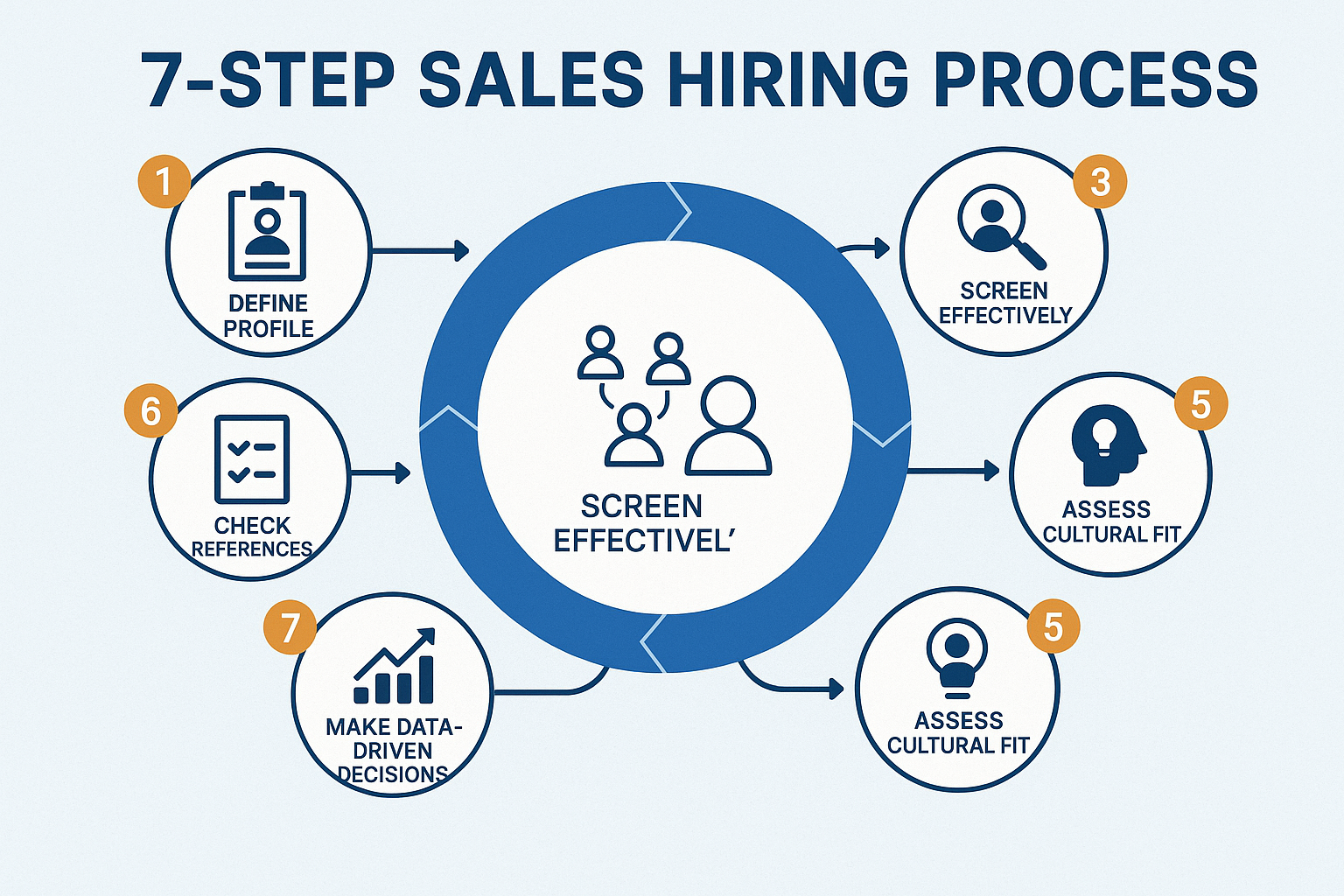
Step 1: Define Your Ideal Sales Rep Profile
The foundation of successful sales hiring starts with creating a detailed profile of your ideal candidate. This goes beyond basic job requirements to include specific behavioral traits, motivational drivers, and cultural fit factors.
Creating a Comprehensive Job Description
Your job description should paint a clear picture of both the role and the type of person who will thrive in it. Include:
Role-Specific Requirements:
- Target customer segments and deal sizes
- Sales cycle length and complexity
- Required technology and tools proficiency
- Performance expectations and metrics
Behavioral Characteristics:
- Communication style preferences
- Problem-solving approach
- Learning and adaptation speed
- Collaboration and teamwork abilities
Cultural Fit Indicators:
- Company values alignment
- Work environment preferences
- Growth mindset demonstration
- Feedback receptiveness
Defining Success Metrics Upfront
Before you hire sales reps, establish clear performance indicators that align with your business objectives:
- Revenue targets (monthly, quarterly, annual)
- Activity metrics (calls, meetings, proposals)
- Conversion rates at each stage of your sales funnel
- Customer satisfaction scores
- Pipeline development and management quality
Step 2: Source Candidates Strategically
Finding the right sales talent requires a multi-channel approach that goes beyond posting jobs on traditional job boards. The best sales reps are often employed and not actively job searching, making targeted recruitment essential.
Effective Sourcing Channels
🌐 Professional Networks
LinkedIn remains the premier platform for sales recruitment. Use advanced search filters to identify candidates with relevant experience and engagement patterns that suggest sales aptitude.
🤝 Employee Referrals
Your current top performers often know other high-quality sales professionals. Implement a structured referral program with meaningful incentives.
🎯 Industry Events and Conferences
Sales professionals attend industry events to network and learn. These venues provide opportunities to meet candidates in their element.
📱 Social Media Recruitment
Active sales reps maintain professional social media presences. Look for candidates who share insights, engage with industry content, and demonstrate thought leadership.
🏢 Competitor Analysis
Research successful sales teams in your industry. While you shouldn’t poach unethically, understanding where top talent works can inform your sourcing strategy.
Red Flags to Avoid During Sourcing
- Frequent job changes without clear progression or valid reasons
- Lack of quantifiable achievements in previous roles
- Poor online professional presence or inappropriate social media content
- Unwillingness to discuss specific results or performance metrics
- Negative comments about previous employers or customers
Step 3: Screen Candidates Effectively
The screening phase is where you separate promising candidates from those who look good on paper but lack the substance to succeed in sales. This stage should efficiently filter candidates while gathering data for more in-depth evaluation.
Initial Phone Screening Best Practices
Your phone screen should accomplish three objectives: verify basic qualifications, assess communication skills, and gauge genuine interest in the role.
Key Questions to Ask:
- “Walk me through your most successful sales achievement and what made it special.”
- “How do you typically research and prepare for new prospect meetings?”
- “Describe a time when you lost a deal you thought you’d win. What happened?”
- “What questions do you have about our company and this opportunity?”
What to Listen For:
- Specific examples with measurable outcomes
- Clear communication without excessive jargon
- Genuine curiosity about your business and customers
- Ownership mindset when discussing both wins and losses
Application and Resume Review Strategy
When reviewing applications, look beyond the standard qualifications:
Positive Indicators:
- Quantified achievements with context and timeframes
- Career progression showing increased responsibility
- Industry relevance or transferable skills
- Education and certifications that demonstrate commitment to growth
Warning Signs:
- Vague accomplishments without specific metrics
- Gaps in employment without explanation
- Overemphasis on team achievements without individual contribution clarity
- Generic cover letters that could apply to any sales role
Step 4: Conduct Behavioral Interviews
The interview process is where you dig deep into a candidate’s actual sales ability, problem-solving skills, and cultural fit. Behavioral interviewing techniques help predict future performance based on past behavior patterns.
Structured Interview Framework
Opening (10 minutes):
- Build rapport and put the candidate at ease
- Explain the interview structure and timeline
- Ask about their interest in your company and role
Behavioral Assessment (30 minutes):
- Use the STAR method (Situation, Task, Action, Result) for responses
- Focus on specific scenarios relevant to your sales environment
- Probe for details and follow-up questions
Skills Demonstration (15 minutes):
- Role-playing exercises or mini-presentations
- Problem-solving scenarios
- Objection handling practice
Candidate Questions (5 minutes):
- Allow time for their questions about the role and company
- Assess the quality and depth of their inquiries
Essential Behavioral Interview Questions
Prospecting and Lead Generation:
- “Tell me about a time when you had to build a pipeline from scratch in a new territory or market.”
- “Describe your approach to researching and qualifying prospects before making contact.”
Relationship Building:
- “Share an example of how you built trust with a skeptical or difficult prospect.”
- “How do you maintain relationships with existing customers while pursuing new business?”
Objection Handling:
- “Walk me through a situation where a prospect raised price objections. How did you respond?”
- “Describe a time when you had to overcome significant competitive pressure to win a deal.”
Closing and Negotiation:
- “Tell me about your largest or most complex sale. How did you navigate the decision-making process?”
- “Describe a situation where you had to negotiate terms to close a deal without compromising profitability.”
Role-Playing Scenarios
Create realistic scenarios based on your actual sales situations:
Scenario 1: Cold Outreach
“You’re calling a prospect who fits our ideal customer profile but has never heard of our company. You have 30 seconds before they hang up. Go.”
Scenario 2: Discovery Meeting
“I’m a potential customer meeting with you for the first time. I’m interested but haven’t clearly defined my needs. Show me how you’d conduct this conversation.”
Scenario 3: Competitive Situation
“I’m comparing your solution to [competitor]. They’re 20% cheaper and have been in business longer. Why should I choose you?”
Step 5: Assess Cultural Fit and Soft Skills
Technical sales skills can be taught, but cultural fit and core soft skills are much harder to develop. This assessment phase determines whether a candidate will thrive in your specific environment and work well with your team.
Cultural Fit Assessment Methods
Values Alignment:
Present scenarios that test alignment with your company values. For example, if integrity is a core value, ask about times they’ve had to choose between an easy sale and doing the right thing.
Work Style Compatibility:
Understand their preferences for:
- Collaboration vs. independence
- Structure vs. flexibility
- Fast-paced vs. methodical environments
- Feedback frequency and style
Team Integration:
- Include team members in the interview process
- Observe how candidates interact with different personality types
- Assess their ability to build rapport quickly
Critical Soft Skills Evaluation
Communication Skills:
- Clarity and conciseness in explanations
- Active listening demonstrated through follow-up questions
- Adaptability in communication style based on audience
Problem-Solving Ability:
- Analytical thinking when presented with complex scenarios
- Creativity in developing solutions
- Persistence in working through challenges
Emotional Intelligence:
- Self-awareness of strengths and development areas
- Empathy in understanding customer perspectives
- Relationship management skills in various situations
Step 6: Check References and Verify Claims

Reference checking is often rushed or skipped entirely, but it’s one of the most valuable steps in the hiring process. When done properly, reference calls provide insights that interviews alone cannot reveal.
Strategic Reference Checking Approach
Choose the Right References:
- Request a mix of managers, peers, and customers when possible
- Ask for specific references related to the scenarios they described
- Don’t rely solely on provided references—do some detective work
Structured Reference Questions:
- “How would you rank [candidate] compared to other sales reps you’ve managed?”
- “What specific coaching or development did they need to be successful?”
- “Would you hire them again? Why or why not?”
- “What type of sales environment brings out their best performance?”
Verification Best Practices
Employment History:
- Confirm dates, titles, and responsibilities
- Verify reported achievements and quota attainment
- Understand reasons for leaving previous positions
Performance Claims:
- Request specific examples of the results they mentioned
- Ask about consistency of performance over time
- Understand the context behind their achievements
Step 7: Make Data-Driven Hiring Decisions
The final decision should synthesize all the information gathered throughout the hiring process. Avoid gut-feeling decisions by using a structured evaluation framework that weighs different factors appropriately.
Candidate Evaluation Scorecard
Create a weighted scoring system that reflects your priorities:
| Criteria | Weight | Score (1-10) | Weighted Score |
|---|---|---|---|
| Sales Skills & Experience | 25% | ||
| Cultural Fit | 20% | ||
| Communication Ability | 15% | ||
| Track Record of Results | 20% | ||
| Learning Agility | 10% | ||
| References & Verification | 10% |
Decision-Making Framework
Involve Multiple Stakeholders:
- Include direct managers, team members, and senior leadership
- Gather input from different perspectives
- Use structured discussion to avoid bias
Consider Long-Term Potential:
- Assess growth trajectory and career ambitions
- Evaluate coachability and development potential
- Think beyond immediate needs to future requirements
Trust the Process:
- Stick to your established criteria
- Don’t compromise standards due to urgency
- Remember that no hire is better than a bad hire
Onboarding Your New Sales Hires for Success
The hiring process doesn’t end when you extend an offer. Effective onboarding sets the foundation for long-term success and significantly impacts retention rates.
Structured Onboarding Program
Week 1: Foundation Setting
- Company culture and values immersion
- Product/service deep dive training
- Sales process and methodology introduction
- Technology and tools training
Week 2-4: Skill Development
- Role-playing and practice sessions
- Shadow experienced team members
- Customer and market education
- Initial prospect research and planning
Month 2-3: Gradual Ramp-Up
- Begin with smaller, easier opportunities
- Regular coaching and feedback sessions
- Performance tracking and adjustment
- Integration into team activities and meetings
Early Success Indicators
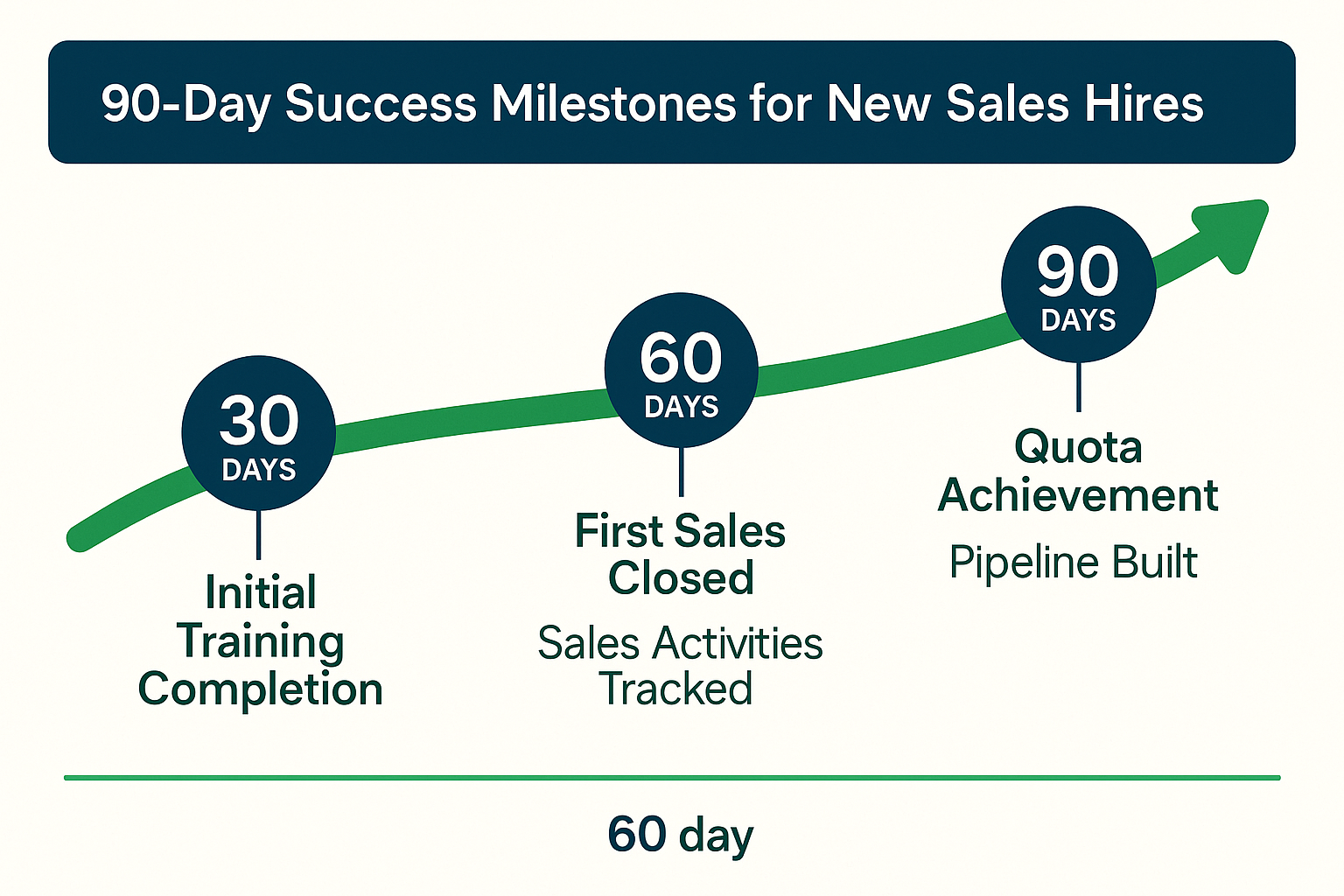
Monitor these metrics during the first 90 days:
- Learning curve progression on product knowledge assessments
- Activity levels compared to established benchmarks
- Quality of customer interactions based on feedback
- Pipeline development and opportunity creation
- Cultural integration and team relationship building
Common Mistakes to Avoid When You Hire Sales Reps
Learning from common hiring mistakes can save significant time, money, and frustration. Here are the most frequent pitfalls and how to avoid them:
Mistake #1: Hiring Based on Charisma Alone
The Problem: Confusing personality with performance ability
The Solution: Focus on behavioral evidence and track record over charm
Mistake #2: Rushing the Hiring Process
The Problem: Pressure to fill positions quickly leads to poor decisions
The Solution: Maintain hiring standards even when facing time pressure
Mistake #3: Overvaluing Industry Experience
The Problem: Assuming industry knowledge equals sales success
The Solution: Prioritize sales skills and coachability over industry tenure
Mistake #4: Neglecting Cultural Fit
The Problem: Hiring skilled reps who don’t mesh with team dynamics
The Solution: Include cultural assessment as a key evaluation criterion
Mistake #5: Inadequate Reference Checking
The Problem: Accepting candidate claims without verification
The Solution: Conduct thorough reference checks with specific questions
Building a Sustainable Sales Hiring Strategy
Creating a one-time great hire is good, but building a system that consistently attracts and identifies top talent is transformational for your business.
Developing Your Employer Brand
Showcase Your Culture:
- Share success stories and team achievements
- Highlight career development opportunities
- Demonstrate your commitment to sales professional growth
Leverage Current Team Members:
- Encourage team members to share their experiences
- Use employee testimonials in recruitment materials
- Build a referral program that rewards quality recommendations
Creating a Talent Pipeline
Passive Candidate Cultivation:
- Maintain relationships with promising candidates who aren’t ready to move
- Stay connected through industry events and social media
- Build a database of potential future hires
University and Training Program Partnerships:
- Connect with sales education programs
- Offer internships and entry-level development opportunities
- Build relationships with career services departments
Continuous Improvement Process
Track Hiring Metrics:
- Time-to-hire and cost-per-hire
- Quality of hire based on performance outcomes
- Retention rates and reasons for departure
- Source effectiveness and ROI
Regular Process Review:
- Gather feedback from new hires about their experience
- Analyze what predicts success in your specific environment
- Adjust criteria and processes based on results
Sales Rep Candidate Assessment Tool
Evaluate candidates using weighted criteria for data-driven hiring decisions
Sales Skills & Experience
Cultural Fit
Communication Ability
Track Record of Results
Learning Agility
References & Verification
Candidate Assessment Results
Score Breakdown:
Measuring Success: Key Performance Indicators
Once you’ve hired new sales reps, tracking their performance helps validate your hiring decisions and refine your process for future hires.
30-60-90 Day Milestones
30 Days:
- Product knowledge assessment scores above 80%
- CRM proficiency and tool adoption
- First customer interactions completed
- Pipeline activity meeting minimum thresholds
60 Days:
- First qualified opportunities created
- Conversion rates trending toward team averages
- Customer feedback scores meeting standards
- Peer integration and collaboration evidence
90 Days:
- Revenue contribution beginning to show
- Activity metrics consistently meeting goals
- Skill development progress in coaching sessions
- Cultural fit confirmed through team feedback
Long-Term Success Metrics
Quarterly Performance Indicators:
- Quota attainment percentage
- Deal size and profitability metrics
- Sales cycle efficiency improvements
- Customer satisfaction and retention rates
Annual Success Measures:
- Revenue growth contribution
- Territory expansion and market penetration
- Professional development and skill advancement
- Team leadership and mentoring capabilities
Advanced Strategies for Competitive Markets
In highly competitive markets, standard hiring approaches may not be sufficient to attract top talent. Consider these advanced strategies to gain an edge.
Talent Acquisition Innovation
Skills-Based Assessments:
- Use sales simulation software and AI-powered assessments
- Create custom scenarios based on your specific challenges
- Partner with sales training organizations for candidate evaluation
Competitive Intelligence:
- Research compensation packages and benefits in your market
- Understand what motivates top performers to change roles
- Develop unique value propositions for candidates
Technology Integration:
- Use applicant tracking systems with AI screening capabilities
- Implement video interviewing for initial assessments
- Leverage social media monitoring for candidate research
Building Strategic Partnerships
Recruitment Firm Relationships:
- Develop partnerships with specialized sales recruitment firms
- Provide detailed feedback to improve candidate quality over time
- Consider exclusive arrangements for hard-to-fill positions
Industry Network Development:
- Participate in sales professional associations and events
- Build relationships with sales training and certification organizations
- Connect with commission-based recruiting experts who understand performance-driven hiring
The Future of Sales Hiring
The sales profession continues to evolve, and hiring practices must adapt to attract the next generation of sales professionals.
Emerging Trends
Remote and Hybrid Work Models:
- Develop virtual interviewing and assessment capabilities
- Create remote onboarding and training programs
- Build systems for managing distributed sales teams
Technology Integration Requirements:
- Assess candidates’ comfort with sales technology and automation
- Evaluate digital communication and presentation skills
- Consider AI and machine learning tool proficiency
Changing Buyer Expectations:
- Look for consultative selling skills and industry expertise
- Prioritize customer success and relationship management abilities
- Value data analysis and insights generation capabilities
Preparing for Tomorrow’s Sales Environment
Continuous Learning Culture:
- Hire candidates who demonstrate adaptability and growth mindset
- Invest in ongoing training and development programs
- Create clear career progression paths
Data-Driven Decision Making:
- Implement robust performance tracking and analytics
- Use predictive modeling to identify success patterns
- Regularly review and update hiring criteria based on results
Conclusion
Successfully hiring sales reps who deliver results requires a systematic approach that goes far beyond reviewing resumes and conducting basic interviews. The companies that consistently build high-performing sales teams understand that hiring is both an art and a science—requiring structured processes, behavioral assessment techniques, and data-driven decision making.
The key to transforming your sales hiring lies in defining clear success criteria upfront, implementing behavioral interviewing techniques that reveal true selling ability, and creating comprehensive onboarding programs that set new hires up for immediate success. Remember that the cost of a bad hire extends far beyond salary and benefits—it impacts team morale, customer relationships, and long-term revenue growth.
As you implement these strategies, focus on building a sustainable hiring system rather than making one-off great hires. Develop your employer brand, create talent pipelines, and continuously refine your process based on performance data and feedback.
Your Next Steps
- Audit your current hiring process using the framework provided in this guide
- Develop a structured interview process with behavioral questions and role-playing scenarios
- Create a candidate assessment scorecard to ensure consistent, objective evaluations
- Implement a comprehensive onboarding program for new sales hires
- Track performance metrics to validate your hiring decisions and improve future outcomes
The investment you make in improving your sales hiring process will pay dividends for years to come. Start with one or two key improvements and gradually build a world-class hiring system that consistently attracts and identifies top sales talent.
When you hire sales reps who truly deliver results, you’re not just filling positions—you’re building the foundation for sustained business growth and competitive advantage in your market.