When Sarah launched her tech startup in 2023, she faced a common dilemma: how to scale sales without breaking the bank on full-time employees. Her solution? Hiring an independent sales representative who helped her company achieve 300% revenue growth within 18 months. This success story isn’t unique—businesses across industries are discovering the power of strategic partnerships with independent sales professionals.
Finding the right independent sales representative can transform your business trajectory, but making the wrong choice can cost thousands in lost opportunities and damaged relationships. The difference lies in knowing exactly what to look for and how to structure these critical partnerships.
Table of Contents
Key Takeaways

- Define clear expectations and compensation structures before beginning your search to attract qualified candidates
- Evaluate industry experience and existing client relationships to ensure market fit and faster results
- Establish robust communication systems and performance metrics to maintain alignment and track success
- Create comprehensive contracts that protect both parties while incentivizing long-term performance
- Implement proper onboarding processes to set your independent sales representative up for immediate success
Understanding Independent Sales Representatives
An independent sales representative serves as an external sales professional who promotes and sells products or services on behalf of multiple companies. Unlike traditional employees, these professionals operate as independent contractors, typically working with several non-competing businesses simultaneously.
What Makes Independent Sales Reps Different
Independent sales representatives bring unique advantages to growing businesses:
🎯 Established Networks: Most experienced reps already have relationships with potential customers in your target market
💰 Cost-Effective Structure: Pay only for results through commission-based compensation models
⚡ Immediate Market Entry: Skip the lengthy hiring and training process with professionals who understand your industry
📈 Scalable Growth: Easily expand or contract sales efforts based on business needs
Types of Independent Sales Representatives
Understanding the different categories helps identify the best fit for your business:
| Type | Best For | Typical Commission |
|---|---|---|
| Industry Specialists | Niche products requiring deep expertise | 8-15% |
| Territory Representatives | Geographic expansion | 5-12% |
| Product Line Specialists | Complex technical solutions | 10-20% |
| Multi-Line Representatives | Complementary product portfolios | 3-8% |
Benefits of Hiring Independent Sales Representatives
Reduced Overhead Costs
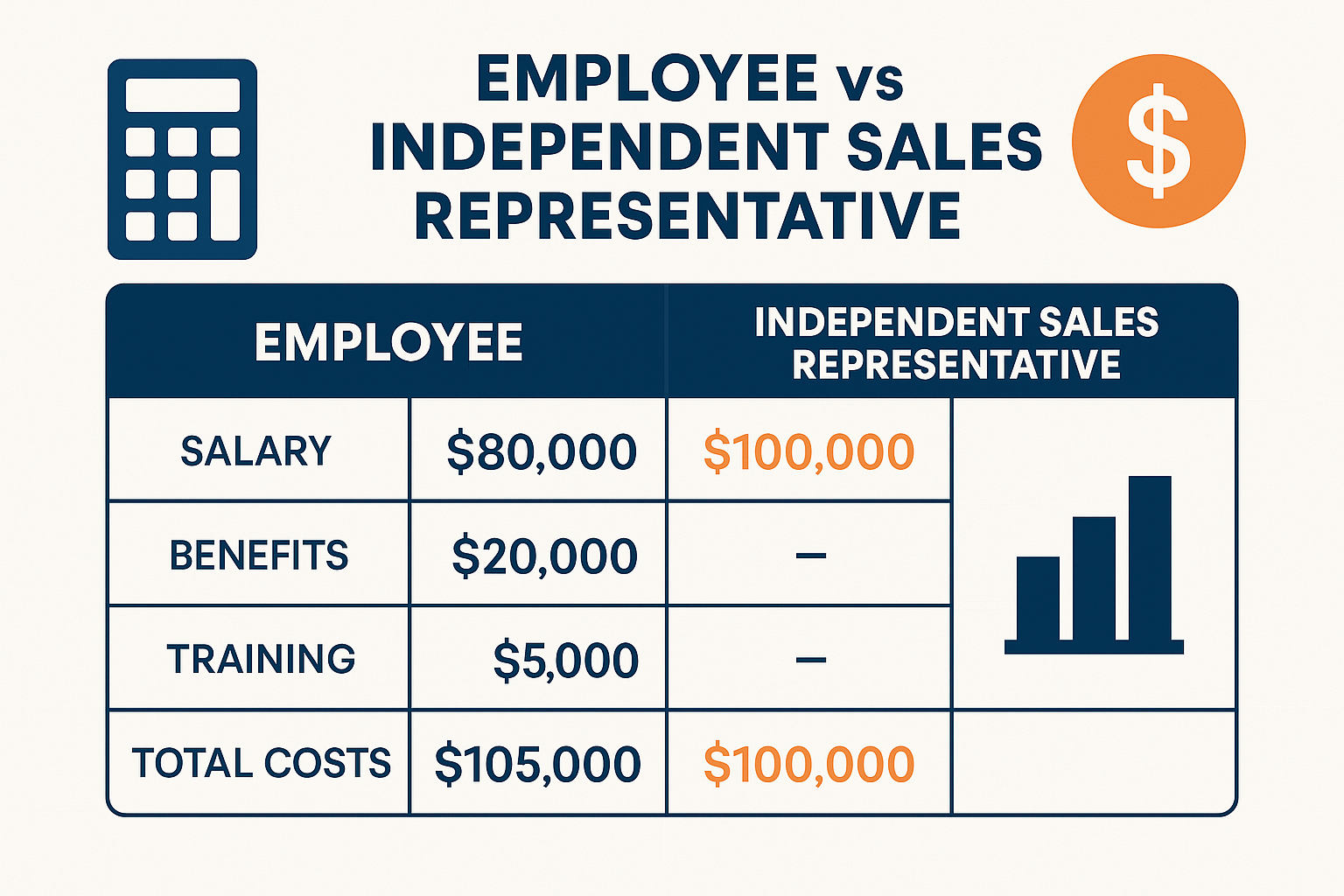
Traditional sales employees require significant investment beyond base salaries. Consider these typical costs:
- Base salary: $50,000-$80,000 annually
- Benefits package: Additional 25-30% of salary
- Office space and equipment: $10,000-$15,000 annually
- Training and development: $5,000-$10,000 initially
Independent sales representatives eliminate most of these expenses, requiring payment only when they generate results.
Access to Established Relationships
Experienced independent sales representatives bring immediate access to:
- Decision-makers in target companies
- Industry contacts built over years of relationship development
- Market intelligence about competitor activities and customer needs
- Referral networks that can accelerate business development
Faster Market Penetration
Rather than spending months building market presence, businesses can leverage existing relationships to:
✅ Accelerate sales cycles through warm introductions
✅ Gain immediate market feedback on products and pricing
✅ Identify new opportunities through established industry connections
✅ Reduce time-to-revenue from months to weeks
Identifying Your Sales Representative Needs
Defining Your Ideal Candidate Profile
Before beginning your search, create a detailed profile of your ideal independent sales representative:
Industry Experience Requirements
- Minimum years in your specific industry
- Knowledge of regulatory requirements
- Understanding of your target customer base
- Familiarity with your product category
Geographic Coverage Needs
- Primary territory boundaries
- Secondary expansion opportunities
- Travel requirements and limitations
- Local market knowledge requirements
Relationship Assets
- Existing customer relationships in your target market
- Professional network quality and depth
- Reputation within the industry
- Referral generation capability
Setting Performance Expectations
Clear performance metrics prevent misunderstandings and ensure alignment:
Sales Volume Targets
- Monthly and quarterly revenue goals
- Number of new customer acquisitions
- Average deal size expectations
- Pipeline development requirements
Activity Benchmarks
- Customer meeting frequency
- Lead generation quotas
- Proposal submission targets
- Follow-up communication standards
Where to Find Quality Independent Sales Representatives
Professional Networks and Associations
Industry associations provide access to experienced professionals:
Manufacturing Representatives Associations
- Industry-specific representative groups
- Regional manufacturing councils
- Trade association member directories
Professional Sales Organizations
- Sales and Marketing Executives International
- National Association of Sales Professionals
- Industry-specific sales groups
- Local business development networks
Referrals and Industry Connections
Personal recommendations often yield the highest-quality candidates:
- Customer referrals from satisfied clients
- Supplier recommendations from business partners
- Competitor insights (ethically obtained)
- Industry mentor suggestions from experienced professionals
For businesses looking to expand their sales reach, Commission People offers valuable resources and connections to help identify qualified independent sales representatives across various industries.
Evaluating Potential Candidates
Essential Qualifications to Assess
Industry Knowledge Depth
Evaluate candidates’ understanding of:
- Market dynamics and trends
- Regulatory environment
- Competitive landscape
- Customer buying processes
Sales Track Record
Request specific performance data:
- Revenue generated in previous roles
- Customer retention rates
- New account acquisition success
- Average sales cycle length
Professional References
Contact multiple references to verify:
- Performance claims and achievements
- Work ethic and reliability
- Communication and relationship skills
- Problem-solving abilities
Red Flags to Avoid
🚩 Unrealistic Promises
Be wary of candidates who guarantee specific results without understanding your market or product complexities.
🚩 Limited References
Quality representatives should easily provide multiple professional references from recent clients or employers.
🚩 Unclear Territory Coverage
Avoid representatives who cannot clearly define their geographic coverage or customer focus areas.
🚩 Competing Product Lines
Ensure potential representatives don’t already represent direct competitors or conflicting product lines.
Interview Questions That Reveal Quality
Market Understanding
- “Describe the current challenges facing customers in our target market.”
- “How do you stay informed about industry trends and developments?”
- “What factors influence buying decisions in this market?”
Sales Approach
- “Walk me through your typical sales process from lead to close.”
- “How do you handle customer objections and concerns?”
- “Describe your approach to building long-term customer relationships.”
Performance and Results
- “What was your best sales year, and what made it successful?”
- “How do you prioritize your time across multiple product lines?”
- “Describe a challenging sale and how you overcame obstacles.”
Structuring Compensation and Contracts
Commission Structure Best Practices
Competitive Commission Rates by Industry
| Industry | Typical Range | Performance Factors |
|---|---|---|
| Technology | 8-15% | Complexity, support required |
| Manufacturing | 5-10% | Volume, relationship intensity |
| Healthcare | 10-20% | Regulatory requirements, expertise |
| Financial Services | 12-25% | Trust, ongoing relationship value |
Performance Incentives
Structure compensation to reward desired behaviors:
- Volume bonuses for exceeding quarterly targets
- New customer incentives for account acquisition
- Retention bonuses for maintaining customer relationships
- Product mix incentives for promoting specific lines
Contract Essentials
Territory and Exclusivity Terms
Clearly define:
- Geographic boundaries and limitations
- Customer account ownership
- Exclusive vs. non-exclusive arrangements
- Territory expansion opportunities
Performance Requirements
Specify measurable expectations:
- Minimum sales volume commitments
- Activity level requirements
- Reporting and communication standards
- Professional development obligations
Termination Clauses
Protect both parties with clear terms:
- Performance-based termination triggers
- Notice period requirements
- Commission payment after termination
- Customer relationship transition procedures
Independent Sales Rep Commission Calculator
Onboarding Your Independent Sales Representative
Creating an Effective Orientation Program
Product Training Essentials
Comprehensive product knowledge ensures confident representation:
- Technical specifications and competitive advantages
- Use cases and applications across different customer segments
- Pricing structures and available discounts
- Implementation processes and support requirements
Company Culture and Values
Help representatives understand your organization:
- Mission and vision alignment
- Customer service standards and expectations
- Brand messaging and communication guidelines
- Quality commitments and guarantee policies
Establishing Communication Protocols
Regular Check-in Schedule
Maintain consistent contact through:
- Weekly progress calls for new representatives
- Monthly performance reviews with established partners
- Quarterly strategic planning sessions
- Annual relationship assessments and goal setting
Reporting Requirements
Standardize information sharing:
- Activity reports detailing customer interactions
- Pipeline updates with deal progression status
- Market intelligence sharing competitive insights
- Expense reporting for approved business development activities
Providing Ongoing Support
Marketing Materials and Tools
Equip representatives with professional resources:
✅ Product brochures and technical specifications
✅ Case studies demonstrating successful implementations
✅ Presentation templates for customer meetings
✅ Digital assets for email and social media outreach
Technical Support Access
Ensure representatives can address customer questions:
- Direct contact information for technical specialists
- Escalation procedures for complex inquiries
- Product training updates for new features or versions
- Customer support protocols for post-sale issues
Managing and Motivating Your Sales Team
Performance Monitoring Systems
Key Performance Indicators (KPIs)
Track metrics that drive business results:
| Metric | Frequency | Target Range |
|---|---|---|
| Sales Revenue | Monthly | Based on territory potential |
| New Customer Acquisition | Quarterly | 15-25% of total sales |
| Customer Retention Rate | Annually | 85-95% |
| Average Deal Size | Monthly | Industry benchmarks |
| Sales Cycle Length | Quarterly | Baseline improvement |
Technology Tools for Tracking
Implement systems that provide visibility:
- CRM integration for real-time activity tracking
- Commission tracking software for transparent payments
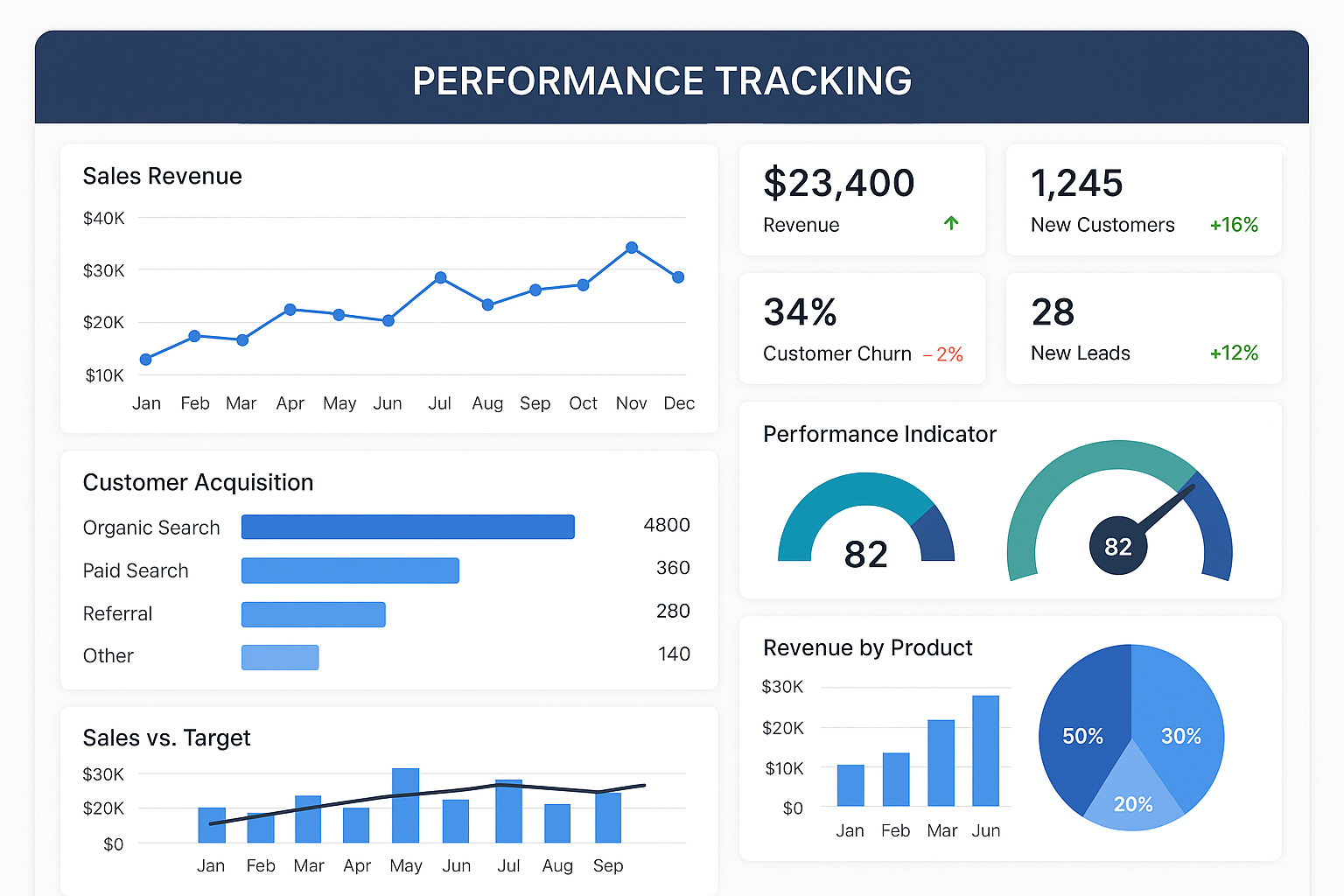
- Performance dashboards showing progress against goals
- Mobile reporting apps for field activity updates
Building Long-term Relationships
Recognition and Rewards Programs
Acknowledge exceptional performance:
Performance Tiers
- Bronze Level: Meeting baseline expectations
- Silver Level: Exceeding targets by 10-20%
- Gold Level: Top 10% performers with exceptional results
- Platinum Level: Multi-year outstanding performance
Incentive Options
- Bonus trips to industry conferences or destinations
- Public recognition in company communications
- Exclusive product launches and early access opportunities
- Professional development funding for training and certification
Addressing Performance Issues
Early Intervention Strategies
Address problems before they become critical:
Performance Improvement Plans
- Specific goal identification with measurable targets
- Timeline establishment for improvement milestones
- Additional support provision including training or resources
- Regular progress monitoring with documented feedback
Support and Development
- Additional training opportunities to address skill gaps
- Mentoring programs pairing with successful representatives
- Territory adjustments if market conditions have changed
- Resource allocation to remove barriers to success
For companies seeking to optimize their independent sales representative relationships, Commission People provides specialized guidance on performance management and motivation strategies that drive results.
Legal Considerations and Best Practices
Independent Contractor Classification
IRS Guidelines Compliance
Ensure proper classification to avoid legal issues:
Behavioral Control Factors
- Representatives control how, when, and where they work
- Training provided focuses on product knowledge, not work methods
- Instructions given relate to what should be accomplished, not how
- Evaluation systems measure results rather than processes
Financial Control Elements
- Representatives have unreimbursed business expenses
- Investment in facilities and equipment for their business
- Opportunity for profit or loss based on performance
- Services available to other businesses simultaneously
Contract Protection Strategies
Intellectual Property Safeguards
Protect your business assets:
- Confidentiality agreements covering proprietary information
- Non-disclosure clauses for customer lists and pricing
- Trademark usage guidelines for brand representation
- Return of materials requirements upon termination
Liability and Insurance Requirements
Minimize risk exposure:
- Professional liability insurance coverage requirements
- General liability protection for business activities
- Errors and omissions coverage for representation activities
- Indemnification clauses protecting both parties
Compliance and Regulatory Issues
Industry-Specific Requirements
Different sectors have unique considerations:
Healthcare and Medical Devices
- FDA compliance training and certification
- HIPAA privacy requirements and protocols
- State licensing requirements for medical sales
- Continuing education mandates for representatives
Financial Services
- Securities licensing requirements (Series 7, 63, etc.)
- Fiduciary responsibility understanding and compliance
- State insurance licensing for relevant products
- Regulatory reporting requirements and procedures
Common Mistakes to Avoid
Hiring Pitfalls
❌ Rushing the Selection Process
Taking time to thoroughly evaluate candidates prevents costly mistakes:
- Insufficient reference checking leading to performance surprises
- Inadequate skill assessment resulting in capability gaps
- Poor cultural fit evaluation causing relationship conflicts
- Unrealistic expectation setting creating disappointment
❌ Focusing Only on Commission Rates
Low commission rates often attract low-quality representatives:
- Experienced professionals command competitive compensation
- Quality representatives deliver higher overall returns
- Relationship investment requires fair compensation structures
- Long-term partnerships depend on mutual benefit
Management Mistakes
❌ Insufficient Communication
Regular contact maintains alignment and motivation:
- Irregular check-ins lead to drift and misunderstandings
- Poor feedback provision prevents performance improvement
- Limited support availability frustrates representatives
- Unclear expectation communication causes conflicts
❌ Micromanagement Tendencies
Independent contractors require autonomy to be effective:
- Excessive activity monitoring undermines independence
- Rigid process requirements conflict with contractor status
- Constant availability demands violate independent contractor principles
- Detailed work method specifications create classification risks
Contract and Legal Errors
❌ Vague Performance Standards
Clear metrics prevent disputes:
- Subjective evaluation criteria lead to disagreements
- Undefined territory boundaries cause conflicts
- Ambiguous termination triggers create legal risks
- Unclear commission calculations damage relationships
❌ Inadequate Legal Protection
Proper contracts protect both parties:
- Missing confidentiality clauses expose proprietary information
- Insufficient termination procedures complicate relationship endings
- Unclear intellectual property rights create ownership disputes
- Inadequate dispute resolution mechanisms lead to expensive litigation
Measuring Success and ROI
Financial Performance Metrics
Revenue Generation Analysis
Track the direct financial impact:
Monthly Revenue Tracking
- Gross sales volume generated by each representative
- Net revenue contribution after commission payments
- Year-over-year growth in representative territories
- Market share changes in covered regions
Cost-Benefit Analysis
Compare independent representatives to traditional employees:
| Cost Category | Employee | Independent Rep |
|---|---|---|
| Base Compensation | $60,000 | $0 |
| Benefits | $18,000 | $0 |
| Commission | $15,000 | $25,000 |
| Training | $8,000 | $2,000 |
| Total Annual Cost | $101,000 | $27,000 |
Qualitative Success Indicators
Customer Satisfaction Metrics
Monitor relationship quality:
- Customer retention rates in representative territories
- Customer satisfaction scores from surveys and feedback
- Referral generation from existing customers
- Complaint resolution effectiveness and speed
Market Development Progress
Assess territory growth and penetration:
- New customer acquisition rates and quality
- Market share expansion in target segments
- Competitive positioning improvements
- Brand awareness increases in covered markets
Long-term Partnership Value
Relationship Durability
Successful partnerships demonstrate:
- Multi-year retention of quality representatives
- Expanding territory coverage through proven performers
- Increased product line adoption by representatives
- Mutual referral generation between representatives and company
Strategic Business Impact
Measure broader organizational benefits:
- Reduced sales cycle length through established relationships
- Improved market intelligence gathering and sharing
- Enhanced competitive positioning through local expertise
- Accelerated new product adoption in established territories
Future Trends in Independent Sales Representation
Technology Integration
Digital Sales Tools Evolution
Modern representatives leverage advanced technology:
CRM and Analytics Platforms
- Cloud-based systems providing real-time access to customer data
- Mobile applications enabling field productivity and reporting
- Artificial intelligence supporting lead scoring and prioritization
- Predictive analytics identifying optimal customer engagement timing
Virtual Selling Capabilities
- Video conferencing platforms for remote customer meetings
- Digital presentation tools for interactive product demonstrations
- Augmented reality applications for complex product visualization
- E-signature solutions for streamlined contract processing
Market Evolution Patterns
Industry Specialization Trends
Representatives increasingly focus on:
- Vertical market expertise in specific industry segments
- Technical specialization for complex product categories
- Regulatory compliance knowledge for highly regulated industries
- Consultative selling approaches requiring deep expertise
Geographic Expansion Models
- International representation for global market entry
- Multi-channel coordination across online and offline sales
- Hybrid territory management combining geographic and vertical focus
- Remote relationship management reducing travel requirements
Compensation Model Innovation
Performance-Based Structures
Evolving compensation approaches include:
- Subscription revenue sharing for recurring revenue models
- Customer lifetime value bonuses for retention performance
- Market development incentives for new territory establishment
- Cross-selling bonuses for expanding customer relationships
For businesses looking to stay ahead of industry trends and optimize their independent sales representative strategies, Commission People offers insights into emerging best practices and innovative partnership models.
Conclusion
Hiring the right independent sales representative can transform your business growth trajectory, but success depends on strategic planning, careful selection, and ongoing relationship management. The most successful partnerships result from treating representatives as valuable business partners rather than simple vendors.
Remember these critical success factors:
🎯 Start with Strategy: Define clear goals, expectations, and success metrics before beginning your search. Understanding your specific needs enables better candidate evaluation and relationship structuring.
🔍 Invest in Selection: Take time to thoroughly evaluate candidates, check references, and assess cultural fit. The cost of making the wrong choice far exceeds the investment in proper due diligence.
📋 Structure for Success: Create comprehensive contracts that protect both parties while incentivizing desired behaviors. Clear agreements prevent misunderstandings and provide frameworks for resolving conflicts.
🤝 Build Relationships: Treat representatives as strategic partners through regular communication, ongoing support, and fair compensation. Long-term success requires mutual investment and commitment.
📊 Monitor and Optimize: Regularly assess performance against established metrics and adjust strategies based on results. Continuous improvement ensures partnerships remain valuable for both parties.
Next Steps for Your Business
- Assess Your Current Situation: Evaluate whether independent sales representation aligns with your business model, growth goals, and resource constraints.
- Define Your Requirements: Create detailed profiles of ideal candidates including industry experience, geographic coverage, and relationship assets.
- Develop Selection Criteria: Establish objective evaluation methods for assessing candidates and comparing options.
- Create Contract Templates: Work with legal counsel to develop comprehensive agreements that protect your interests while attracting quality representatives.
- Implement Management Systems: Establish communication protocols, performance tracking methods, and support structures before bringing representatives on board.
The independent sales representative model offers tremendous opportunities for businesses ready to invest in strategic partnerships. With proper planning, careful selection, and ongoing commitment to relationship success, these partnerships can drive sustainable growth while providing cost-effective market expansion.
Take action today by assessing your sales representation needs and beginning the process of identifying qualified candidates who can help achieve your business objectives. The right independent sales representative partnership could be the catalyst that takes your business to the next level.
SEO Meta Title: How to Hire Independent Sales Representatives | 2025 Guide
SEO Meta Description: Complete guide to hiring independent sales representatives. Learn evaluation criteria, compensation structures, and management strategies for successful partnerships in 2025.